EcoMentors: International Erasmus+ Training Course Successfully Completed in Herne
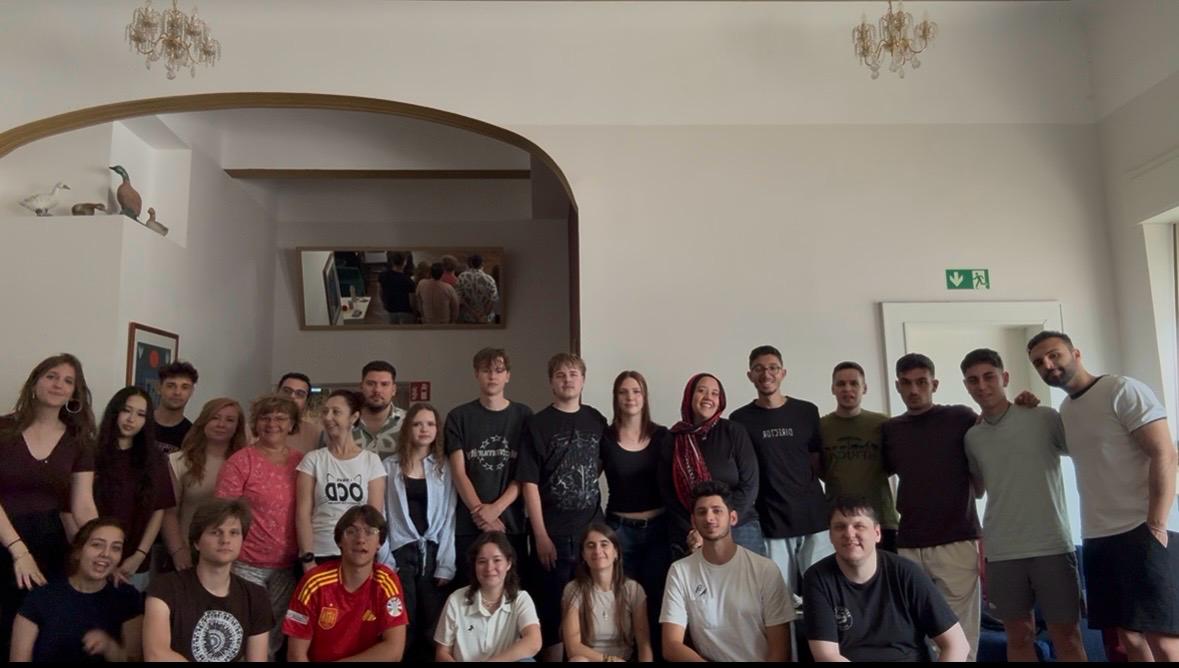
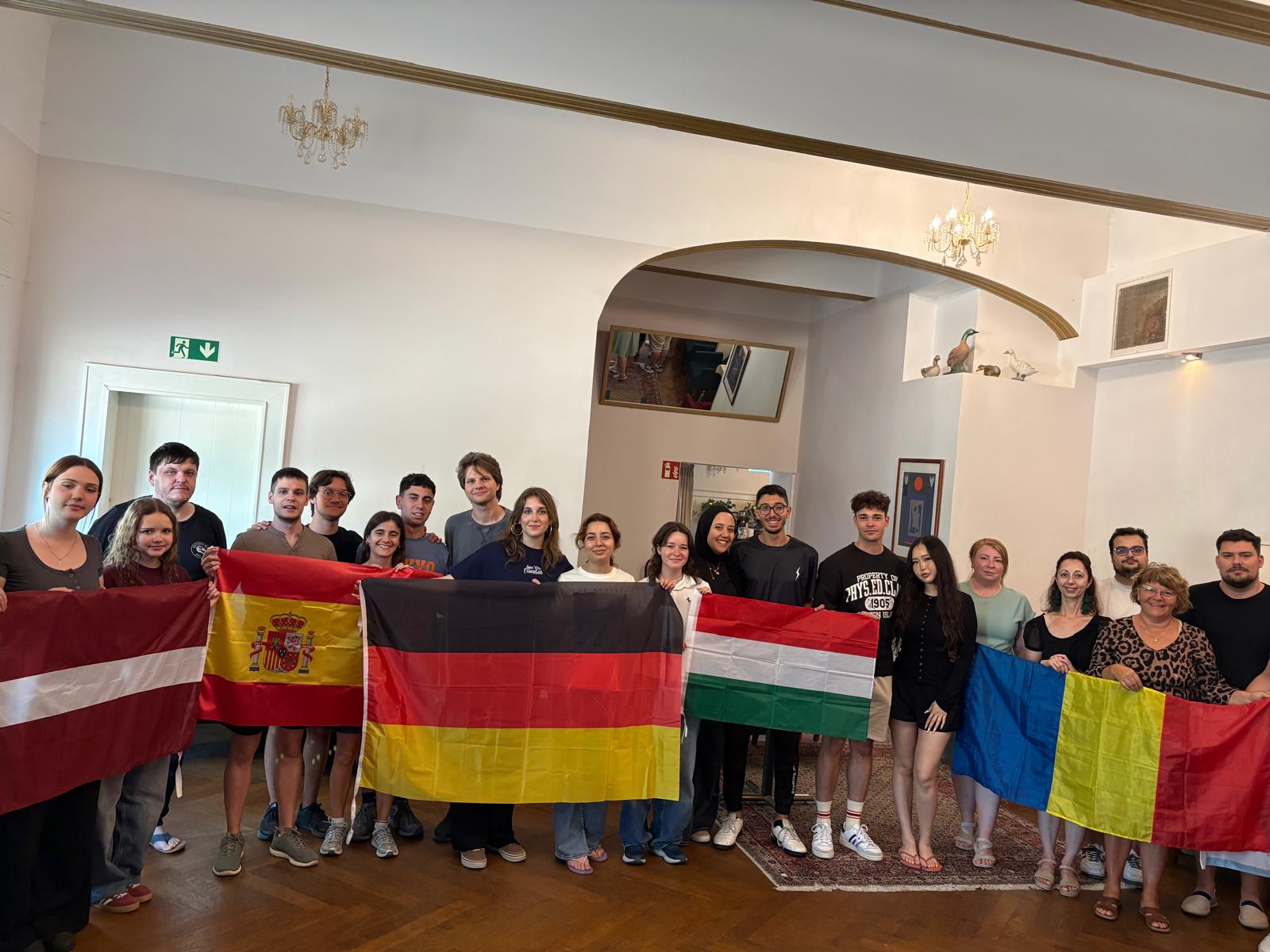
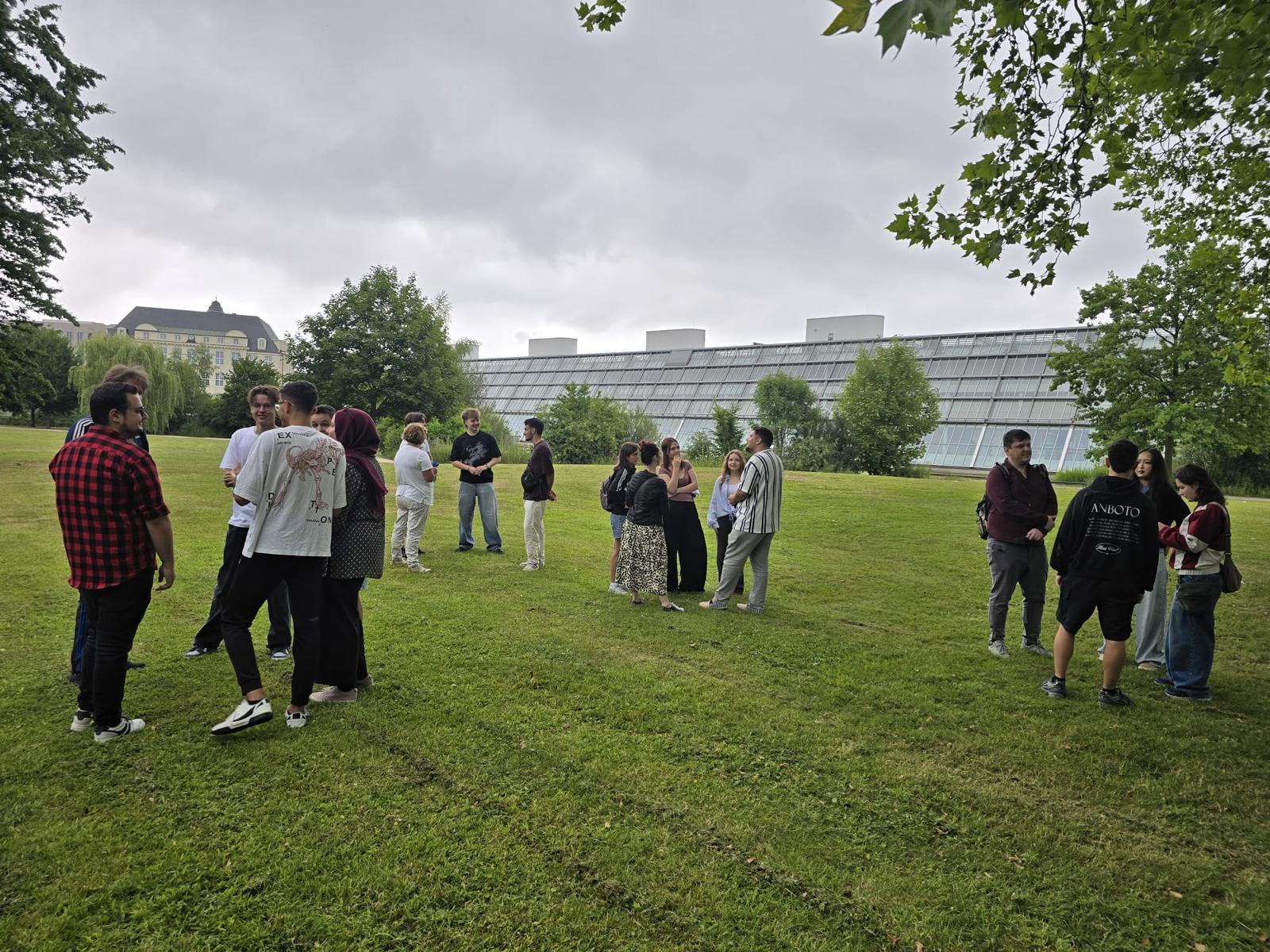
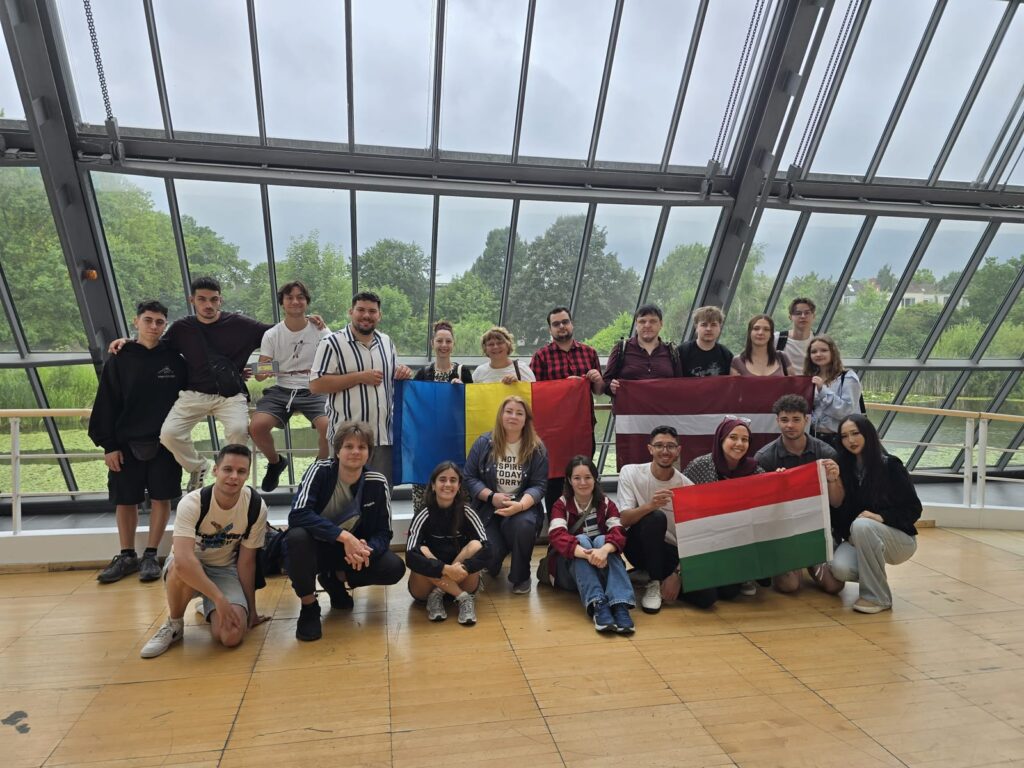
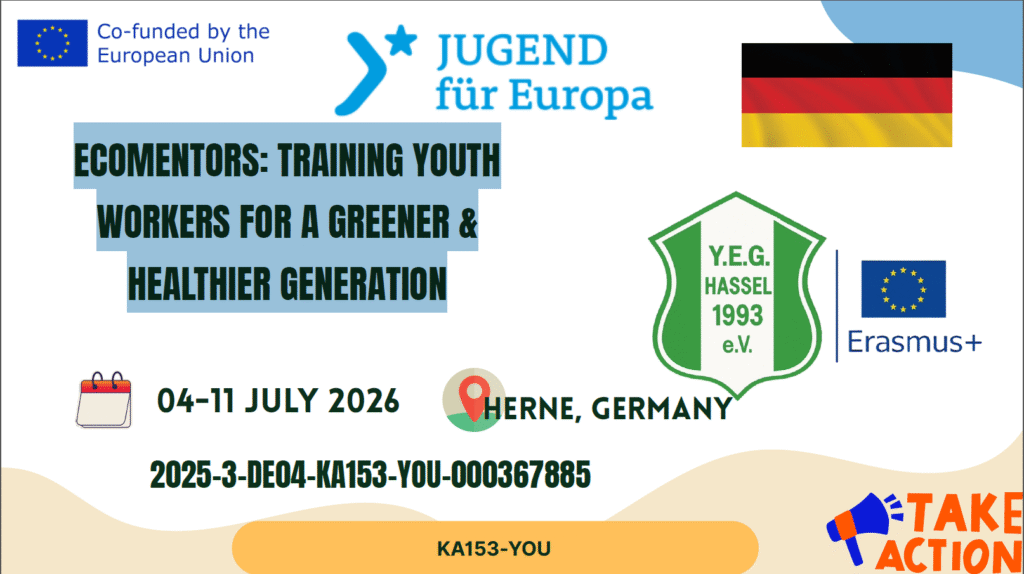
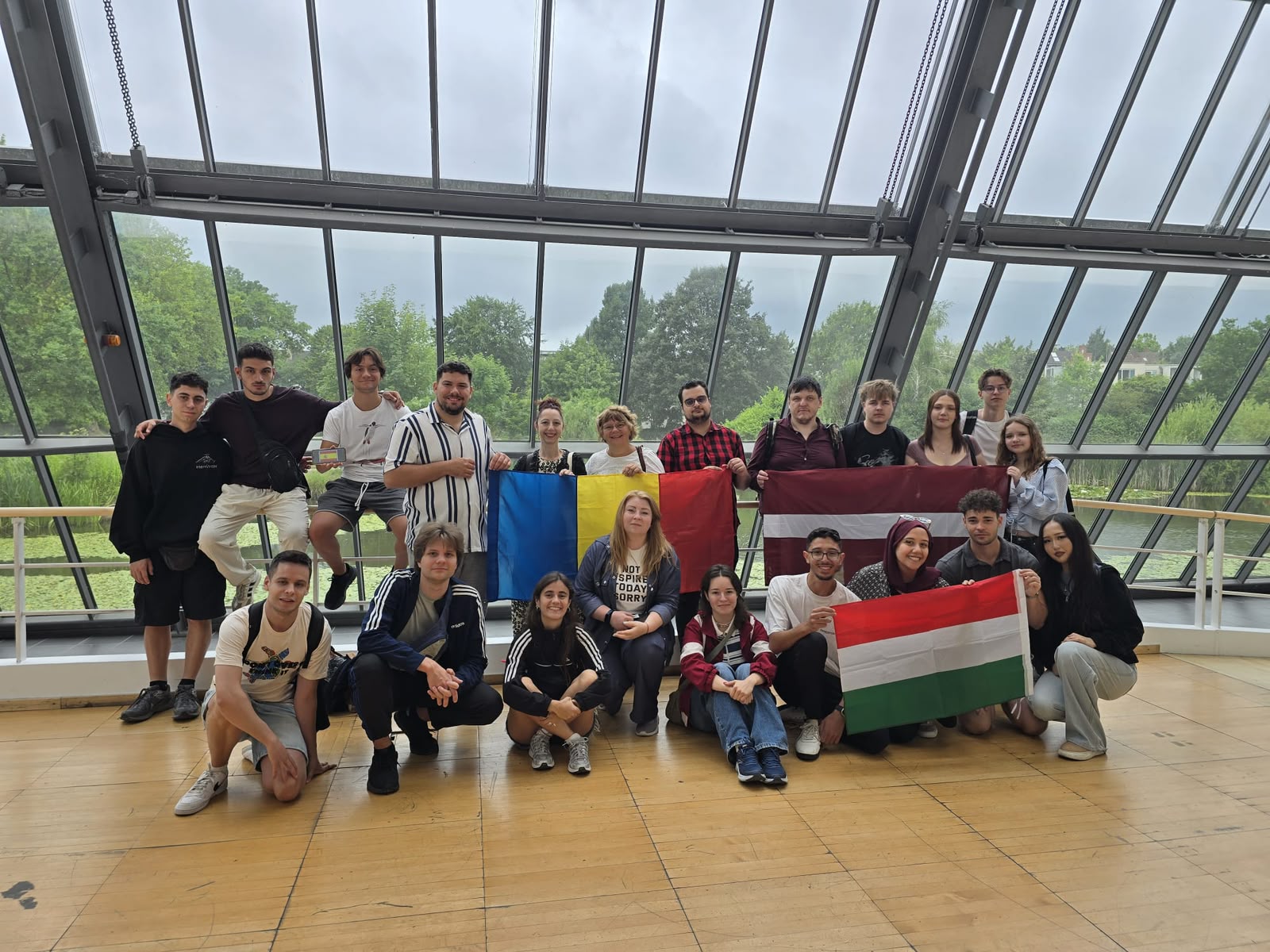
The Erasmus+ Training Course titled “EcoMentors: Training Youth Workers for a Greener & Healthier Generation” was successfully completed in Herne, Germany. As part of the project, a total of 32 participants, including 1 trainer, 1 facilitator, and youth workers from Germany, Türkiye, Latvia, Romania, Spain, and Hungary, took part in an intensive international learning process focused on sustainability and healthy living.
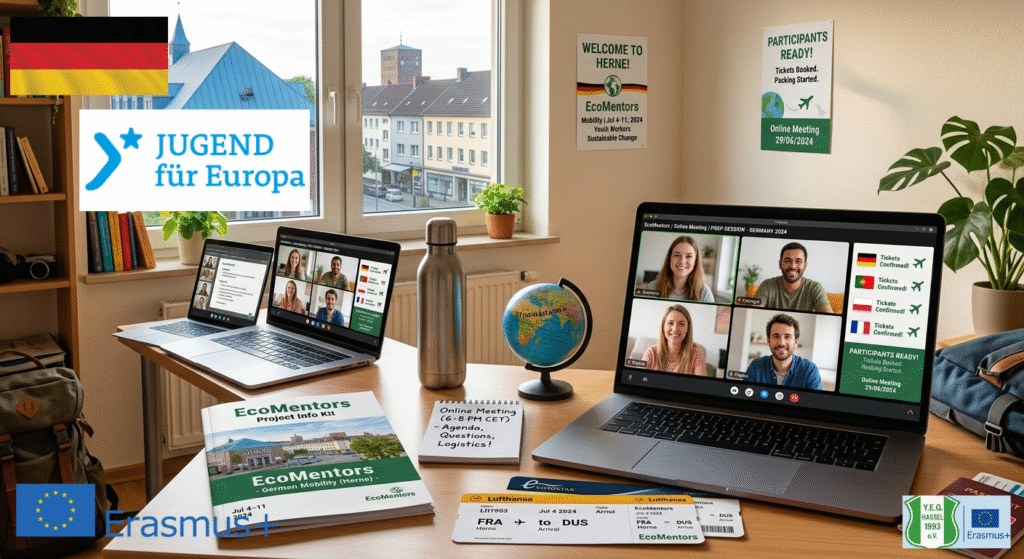
The project was implemented within the framework of the European Union’s Erasmus+ Programme and was supported by JUGEND für Europa – the German National Agency for Erasmus+ Youth and the European Solidarity Corps.
Throughout the training course, participants attended practical workshops, group work sessions, study visits, and intercultural learning activities on sustainability, environmental literacy, healthy lifestyles, and non-formal education methods. The main aim of the project was to develop the “EcoMentor” competencies of youth workers so that they can guide young people on environmental awareness and sustainable living.
Within the programme, participants closely examined Germany’s leading practices in recycling, the Pfand (deposit return) system, waste management, sustainable urban policies, and environmentally friendly transport models. They also exchanged ideas on the Deutschlandticket, green mobility practices, and low-carbon travel approaches, discussing how these practices could be adapted to their own countries.
During the project development sessions carried out in international working groups, participants designed local youth projects focused on the environment and sustainability. In this process, new Erasmus+ project ideas were developed, partnership opportunities were explored, and draft concepts for future international cooperation projects were created. Thus, the training course went beyond knowledge sharing and also laid the foundation for new European partnerships.
In addition to professional development, the project made a significant contribution to strengthening intercultural dialogue, sharing good practices, and establishing sustainable partnerships among youth organisations from different countries. Participants aim to transfer the knowledge and experience they gained to their local youth work and contribute to building greener, healthier, and more aware communities.
Co-funded by the European Union. However, the views and opinions expressed here are solely those of the authors and do not necessarily reflect the official views of the European Union or JUGEND für Europa. Neither the European Union nor the National Agency can be held responsible for the content of this publication.